
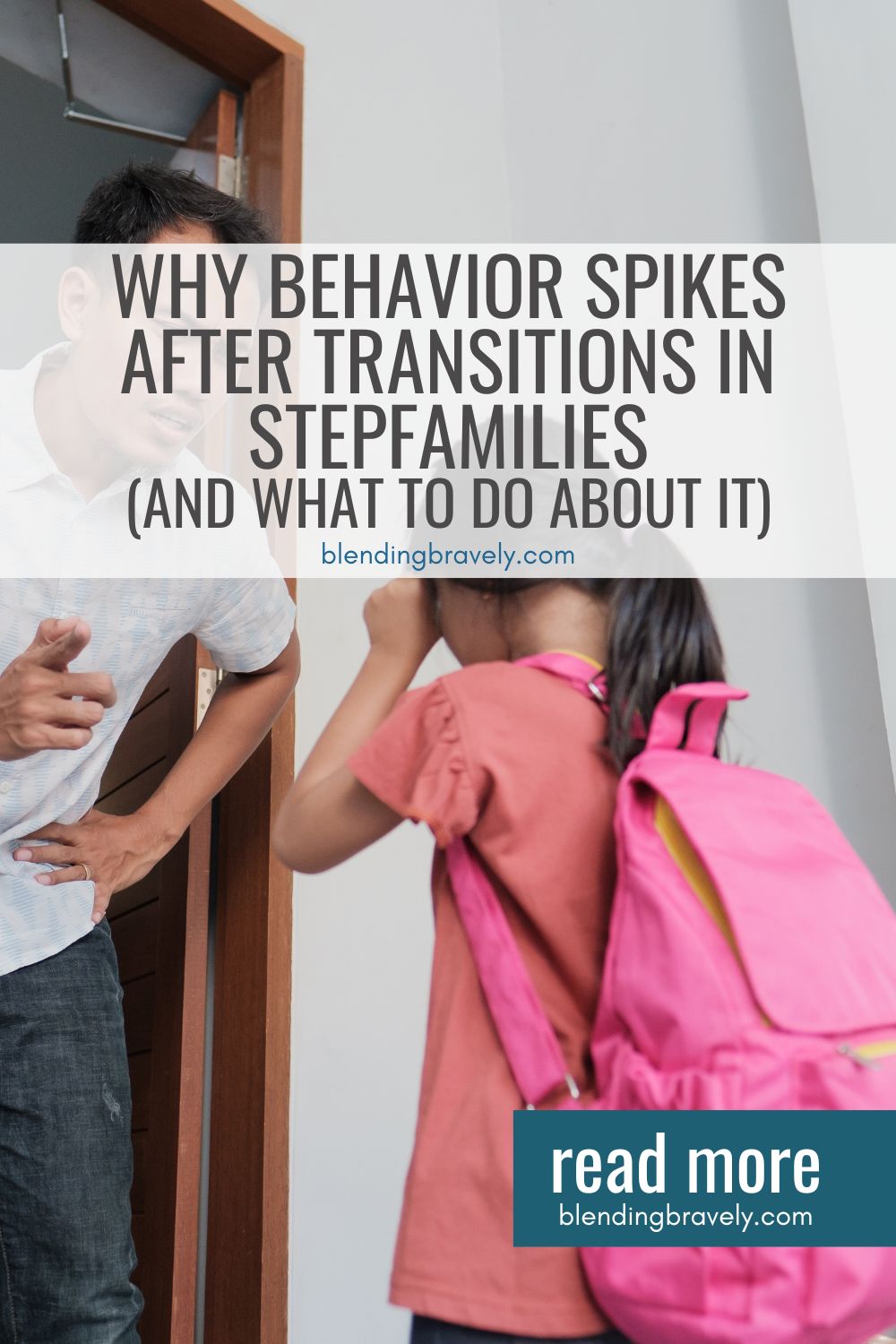
Why Behavior Spikes After Transitions in Stepfamilies (And What to Do About It)
Why Behavior Spikes After Transitions in Stepfamilies (And What to Do About It)
Transitions are one of the biggest stressors in stepfamily life...not because kids are misbehaving on purpose, but because their bodies are still learning to feel safe again. A study published in PubMed shows that children in stepfamilies face ongoing adjustment demands that affect behavior, emotions, and stress responses in very real ways. Understanding this can completely change how you respond to outbursts, defiance, or mood swings.
What Happens During Transitions
When a child moves from one home to another, they’re not just changing houses. They’re recalibrating expectations, routines, rules, and relationships all at once. That takes mental and emotional energy.
When this happens frequently, like weekly between homes, their nervous system stays on high alert. It’s scanning constantly for consistency and safety. That’s why behavior often spikes after the transition rather than during it. Once the child arrives and their system registers safety, it finally relaxes. And all the stress built up over the day or week comes out.
They aren't being defiant, they're decompressing.
Why Adjustment Is Harder for Some Kids
Research highlights a few factors that make transitions more stressful:
Changes in parenting expectations and routines
New household rules
Ambiguous roles of stepparents and siblings
Differences in emotional climates between homes
Each factor alone is challenging. When they stack, the child holds tension until it feels stable enough to “let go,” which can look like emotional outbursts, defiance, withdrawal, or moodiness.
How You Can Help Their Nervous System Feel Safe
Once you understand this pattern, you can respond in ways that help kids regulate instead of just reacting to surface behaviors. Here are four practical things to try immediately:
Welcome routines after transitions
Create a small, predictable activity when kids arrive (like a short snack, a shared breath, or a 5-minute check-in). This signals that it’s safe to relax.Name the experience
Reflect what you notice: “That transition was a little tricky.” Naming feelings tells kids their emotions make sense and builds emotional vocabulary.Flexible expectations right after transitions
Rules are important, but right after a transition isn’t the time to enforce strict expectations. Give some grace while their system settles.Connection before correction
Before addressing behavior, focus on connection. A hug, a snack together, or a few minutes together reassures the nervous system that there’s no danger, which reduces resistance and defiance.
Small Shifts That Make a Big Difference
Consistency, empathy, and space to decompress are what really help nervous systems settle. Over time, this foundation reduces the intensity of behavior spikes and helps your child feel more secure moving between homes.
If this resonates and you want personalized insight into your family’s patterns, try my Family Dynamics Audit. It’s a quick assessment that gives specific, practical steps tailored to your home.
You can also explore more tools and strategies for stepfamily life in The Studio or follow along for real-life insights on Instagram @itsmebrittneyp.

READY TO STOP JUST SURVIVING
YOUR BLENDED FAMILY… AND START LOVING IT?
Let’s talk.
You don’t have to keep guessing your way through this.
Blending Bravely ©2025 All rights reserved